

Design & Plans — ADU Floor Plans, Home Renovation Design & Permit-Ready Drawings in the Bay Area
From Your Ideas to Permit-Ready Plans. All Under One Roof
One of the most frustrating parts of any construction project is figuring out the design and planning process. Who draws the plans? How do you know if your idea will work on your lot? What does the city actually need to see before they issue a permit? And how do you avoid paying an architect thousands of dollars for plans that still need to be redesigned once a contractor looks at them?
At SGM Builders Inc., we solve this by handling design and construction together. When the same team that draws your plans is the same team that builds your project, the result is better fewer surprises, fewer redesigns, and plans that are actually buildable from day one. We offer design-build services for ADU construction, home renovations, room additions, and commercial projects throughout the Central Valley and South Bay Area.
How We Approach ADU Design
Every property is different. That's why we don't start with a catalog of generic plans we start with your lot.
Step 1 — Site evaluation.
Lorem ipsum dolor sit amet, consectetur adipiscing elit. Ut elit tellus, luctus nec ullamcorper mattis, pulvinar dapibus leo.
Step 2 — Needs assessment.
Lorem ipsum dolor sit amet, consectetur adipiscing elit. Ut elit tellus, luctus nec ullamcorper mattis, pulvinar dapibus leo.
Step 3 — Preliminary design.
Based on the site evaluation and your needs, we develop a preliminary floor plan. This is where we work through layout options, discuss trade-offs (a bigger bedroom means a smaller kitchen, or vice versa), and settle on a design that balances function, buildability, and budget.
Step 4 — Construction drawings.
Once the layout is approved, we produce detailed construction drawings that include architectural plans, structural engineering, and all the information the city needs for a complete permit application. These drawings are permit-ready designed to move through plan check with minimal revisions.
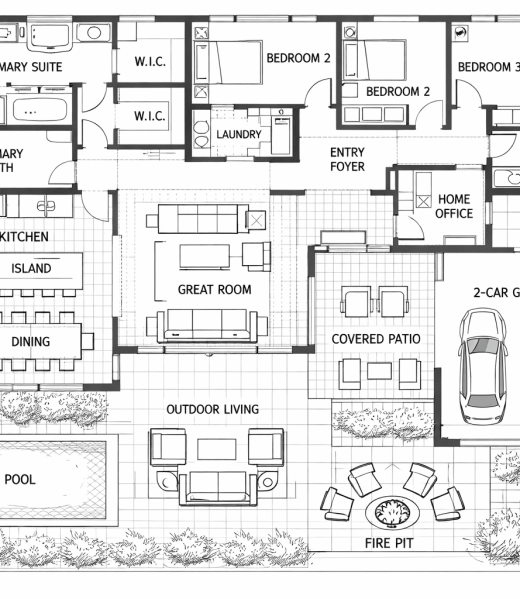
One-bedroom ADU (500–750 sq. ft.)
Separate bedroom, living area, full kitchen, and bathroom. The most popular configuration for rental ADUs.Provides enough separation between living and sleeping areas to feel like a complete home.
Studio ADU (400–500 sq. ft.)
Open-concept living and sleeping area, full kitchen, bathroom, and closet. Ideal for single occupants, short-term rental use, or a home office with a kitchenette. These are the most affordable to build and often the fastest to permit.
Garage conversion (varies)
The floor plan for a garage conversion is determined by the existing garage footprint, which is typically 400 to 500 sq. ft. for a two-car garage. We design within these constraints to create efficient studios or one-bedroom units that make the most of the available space.
Two-bedroom ADU (750–1,200 sq. ft.)
Two bedrooms, living area, full kitchen, one or two bathrooms, and laundry. Ideal for small families, caregiver living arrangements, or higher-income rental units. This configuration maximizes California's 1,200 sq. ft. detached ADU size limit.
Home Renovation Design
Renovation design is different from new construction design. You're working within the constraints of an existing structure load-bearing walls, existing plumbing stacks, roof framing, and foundation limitations. A good renovation design works with these constraints rather than fighting them.
Kitchen Design
A kitchen remodel that only changes finishes is straightforward. A kitchen remodel that changes the layout opening up walls, relocating the sink, adding an island requires careful design that accounts for structural elements, plumbing access, electrical capacity, and ventilation. We develop kitchen layouts that are both beautiful and buildable, using our construction experience to avoid design choices that look great on screen but create problems in reality.
Bathroom Design
Bathroom design is about precision. Every inch matters in a bathroom, and the relationship between fixtures, clearances, door swings, and tile layout has to be worked out in advance. We design bathrooms that meet code clearance requirements, allow for proper waterproofing, and create a finished space that feels open and functional even in smaller rooms.
Room Addition Design
Adding space to your home requires plans that address foundation design, roof integration, structural connections to the existing building, and code compliance (energy code, egress windows, ceiling heights). We design additions that blend seamlessly with the existing home matching rooflines, window styles, and exterior materials so the addition looks original rather than tacked on.
How We Handle ADU Projects
What Requires a Permit?
In general, permits are required for any project that involves structural changes, new plumbing, new electrical, changes to the building envelope, or new construction. Specific examples include ADU construction (always requires a permit), room additions, wall removals, re-roofing, new decks, and kitchen or bathroom remodels that involve plumbing or electrical changes.
What Requires a Permit?
Plan preparation.
Submittal.
Plan check.
Inspections
Final Approval
Permit Timelines by City
Hollister, CA
Gilroy, CA
Morgan Hill, CA
Los Gatos, CA
Saratoga & Los Altos
frequently Asked Questions
Do I need to hire a separate architect, or does SGM Builders handle the design?
For most residential projects ADUs, renovations, additions, and remodels we handle the design in-house or through our design partners. You don’t need to hire a separate architect unless you want a highly custom architectural design. If you already have an architect, we’re happy to work with their plans.
How much do construction plans cost?
Design and plan costs are typically included in our overall project proposal rather than charged as a separate line item. If you need plans only (without construction), costs vary based on the project type: ADU plans typically run $5,000 to $15,000 including engineering; renovation plans range from $2,000 to $8,000 depending on scope.
Can I see examples of ADU floor plans before committing?
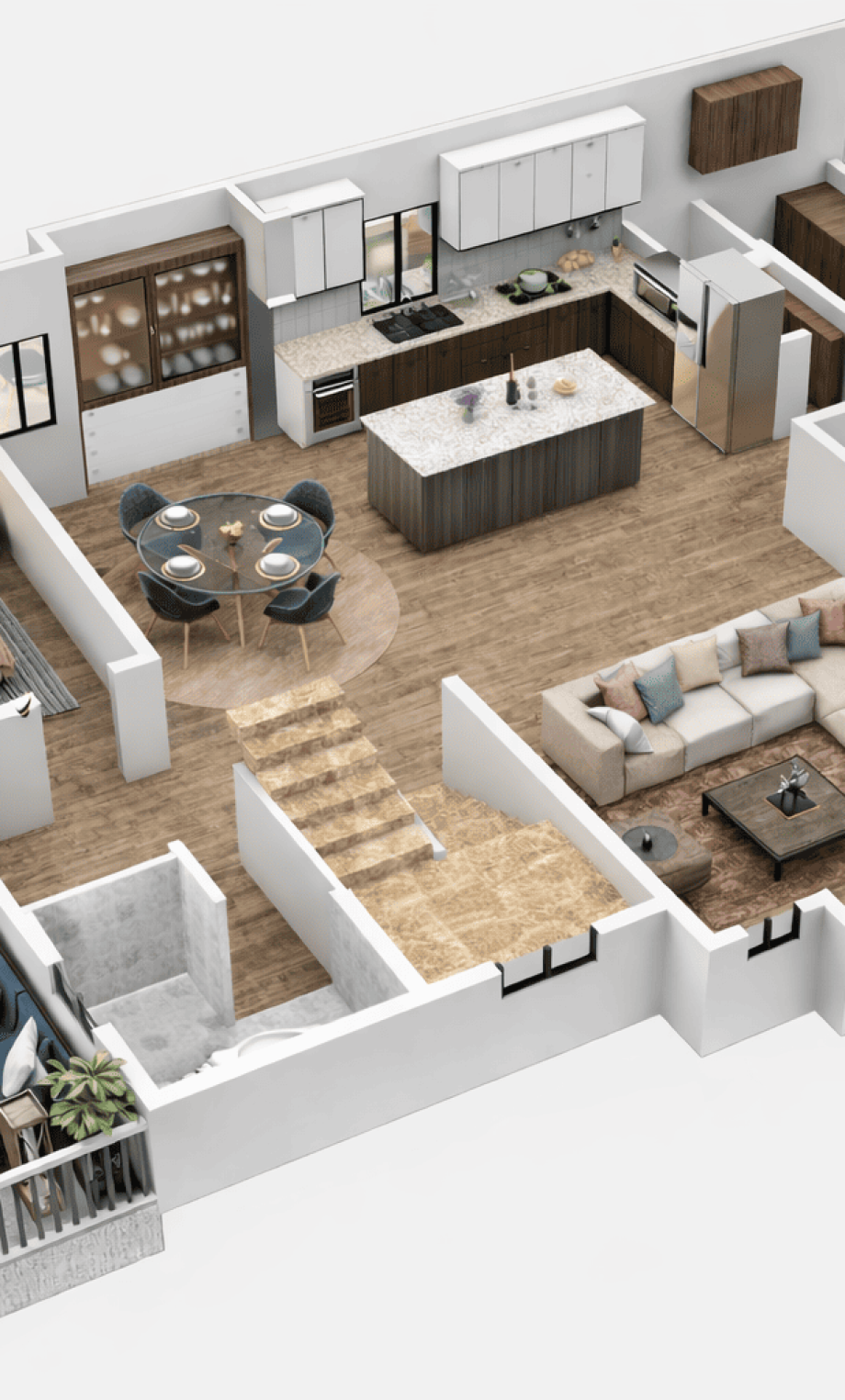
Yes. During our initial consultation, we can show you examples of floor plans we’ve designed and built for similar projects. This helps you visualize the possibilities and gives us a starting point for your custom design.
What if the city rejects our plans?
Plan check corrections are normal and expected — even well-prepared plans sometimes receive correction comments. When this happens, we address the corrections and resubmit. Because we understand what plan checkers are looking for, our correction lists tend to be short and manageable, which keeps the process on track.
How long does the entire design-to-permit process take?
From initial consultation to permit issuance, the typical timeline is 6 to 12 weeks. This includes site evaluation, design development, plan preparation, and city plan check. More complex projects or cities with longer review timelines may take longer.
Start With a Conversation
Every project begins with understanding what you want to build and whether your property can support it. Call us for a free consultation we'll visit your site, discuss your goals, and explain the design and permit process specific to your city.